

Automatic Bollard
The Automatic Bollard Manufacturer!
KSHD brand was established in 2008 in Qingdao, China, specializing in the R&D, manufacturing and sales of urban furniture. The factory has more than 16 years of advanced management and production experience. Our main products are metal trash cans, bollards, bicycle racks, outdoor benches, picnic tables, ashtrays and many other outdoor town furniture.

Why choose us
Advanced equipment
The company has advanced laser cutting machines, CNC punching machines and other automation machines.
Production market
The products sell well in Spain, Britain, Europe, America and Australia. To achieve friendly cooperation with companies from many countries and regions.
OEM service
With professional design, production and sales teams. Samples can be customized according to your drawings, and quality control and inspection will be carried out to meet your requirements.
|
Product |
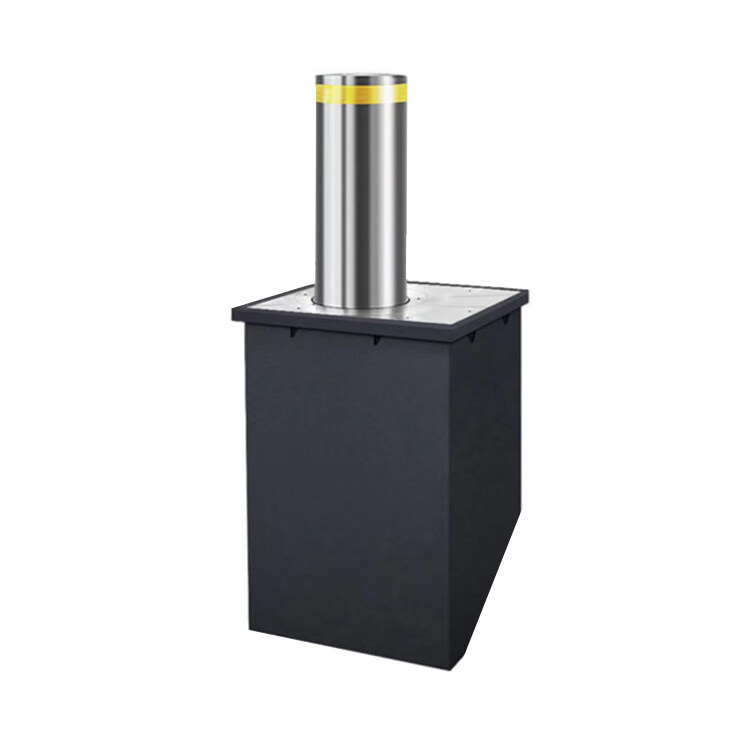
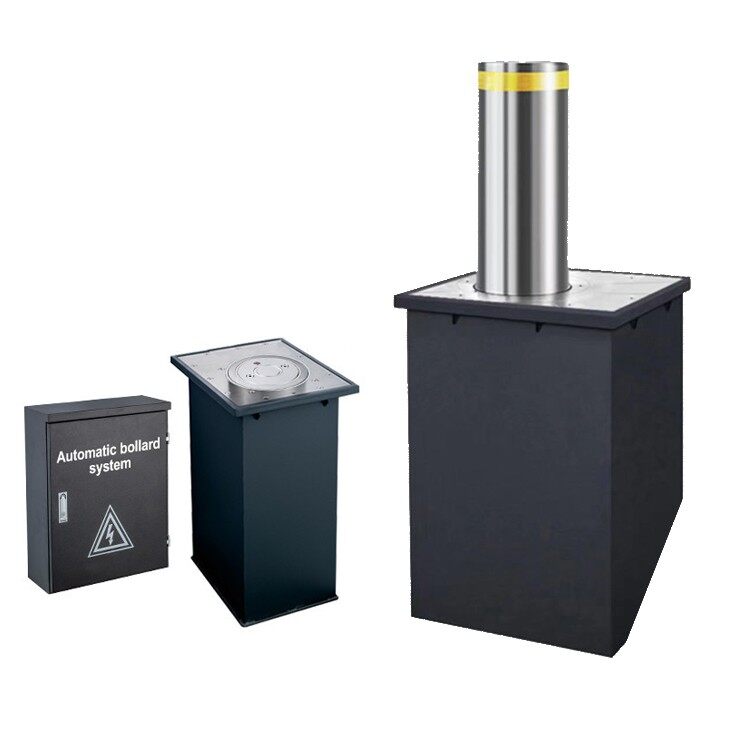
Automatic bollard driveway |
|
Material |
304 stainless steel |
|
Diameter |
219mm±2mm (Other can be customized) |
|
Package |
Carton or wooden case |
|
OEM/ODM |
Yes |
|
Waterproof grade |
IP68 |
|
Features |
The structure is sturdy and durable, the load is large, the operation is stable, the noise is low, the speed is fast, and the service life is long. |
|
Model |
KSLU043 |
|
Thickness |
6mm±0.5mm (6-12mm can be customized) |
|
Production Capacity |
3000 pcs/month |
|
Working temperature |
-30℃~50℃ |
|
Brand |
KSHD |
Benefits of automatic bollards
Security: Automatic bollards provide enhanced security by controlling vehicle access to restricted areas. They can be raised or lowered remotely, allowing authorized vehicles to pass while preventing unauthorized access. This is especially valuable for high-security locations such as government buildings, embassies, airports, and sensitive installations.
Traffic Management: Automatic bollards help in managing traffic flow effectively. They can be programmed to lower during peak traffic hours, allowing smooth traffic movement, and raised during off-peak hours to restrict access. This ensures better traffic management and reduces congestion.
Pedestrian Safety: Bollards can be used to create pedestrian-only zones or protect walkways from vehicle intrusion, enhancing pedestrian safety. By preventing vehicles from entering designated areas, automatic bollards contribute to creating a safer environment for pedestrians.
Versatility: Automatic bollards come in various designs and can be customized to blend seamlessly with the surroundings. They are available in different sizes, materials, and finishes to match the aesthetic requirements of the area where they are installed.
Ease of Use: With remote control or automated systems, operating automatic bollards is convenient and efficient. They can be controlled from a central location, allowing quick and easy management of access points.
Durability: Automatic bollards are designed to withstand harsh weather conditions and vehicle impacts. They are typically made of robust materials like stainless steel or reinforced concrete, making them durable and long-lasting.
Cost-effective: While the initial installation cost of automatic bollards may be higher compared to traditional fixed bollards, they can be more cost-effective in the long run. They require minimal maintenance and repairs, reducing ongoing expenses.
Compliance: Automatic bollards can help meet regulatory requirements for security and access control. They offer a reliable solution for maintaining compliance with safety and security standards set by authorities.
Types of Bollards
Automatic Bollards
Automatic bollards are motorized and can be raised or lowered with the push of a button. They are ideal for high-traffic areas or restricted zones where vehicle access must be tightly controlled. With 304 Stainless Steel construction and IP68 Protection Class, automatic bollards provide strength and resilience, even in extreme weather conditions. These bollards can also be integrated with third-party security systems, allowing for seamless and secure access control.
Semi-Automatic Bollards
Semi-automatic bollards offer a blend of manual and mechanical operation. While they require manual intervention to be raised or lowered, they provide more ease of operation than fully manual bollards. Semi-automatic bollards are suitable for areas with less frequent vehicle access but still require security measures. They are also made from 304 Stainless Steel and are designed to last for many years.
Removable Bollards
Removable bollards are designed for temporary use and can be easily installed or removed when needed. These bollards are perfect for areas that occasionally require open access, such as event spaces or private property. Removable bollards are also made of durable 304 Stainless Steel and offer robust protection when in place.
Evaluate the area where you would like to install bollards. Take into account factors such as the flow of traffic, movement of pedestrians, accessibility needs, and the ability of emergency vehicles to access the area.
Consider the length of the bollard, ground stability, and previous installations. The soft or unstable ground may demand extra reinforcement or specialized installation techniques to secure the bollards. It's also vital to assess potential conflicts with existing underground installations like utilities or infrastructure.
Define the objectives and purpose of the bollards. Are they intended to prevent unauthorized access, provide additional security, or enable traffic control.
Determine the required level of security. Are the bollards intended to stop unauthorized vehicles from entering or control vehicle entry during specific hours.
Make sure the bollards are compatible with existing or planned security infrastructure if they are to be used as part of an access control system.
Determine how you would like to control the bollards. The chosen control method should be compatible with the site's security and operational requirements.
Decide what kind of power source you are going to use, an electrical grid or perhaps a solar panel.
Controlling Access to Sensitive Areas
Automatic Bollards can be used to restrict access to sensitive areas such as government buildings, power plants, military facilities, and more. By controlling who has access to these areas, you can help to prevent unauthorized entry and protect against potential threats.
Securing Perimeter Fences
Automatic Bollards can be used to reinforce perimeter fences and gates. By installing automatic bollards around the perimeter of a fence, you can deter would-be intruders and prevent unauthorized entry into a secure area.
Protecting Pedestrians
Automatic Bollards can also be used to protect pedestrians from vehicular traffic. By installing automatic bollards along sidewalks and in crosswalks, you can help to create a safe environment for pedestrians while also deterring speeding or reckless drivers.
Managing Traffic Flow
Automatic Bollards can be used to control the flow of traffic in both pedestrian and vehicular areas. By placing automatic bollards at strategic points throughout an area, you can help direct traffic and prevent congestion. This is often seen in parking lots, where bollards are used to delineate parking spaces and keep vehicles from blocking driveways or walkways.
FAQ
As one of the leading automatic bollard suppliers in China, we warmly welcome you to buy high-grade automatic bollard for sale here from our factory. All customized products are with high quality and low price. Contact us for quotation.