

Product Specifications
|
Product: |
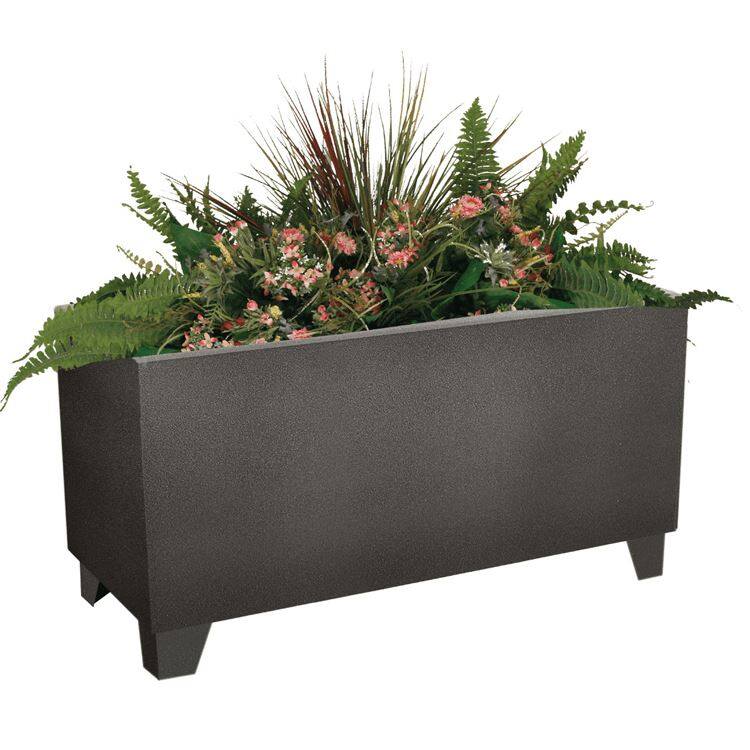
City street outdoor square flower pots |
|
Material: |
Steel |
|
Weight: |
18kgs |
|
Size: |
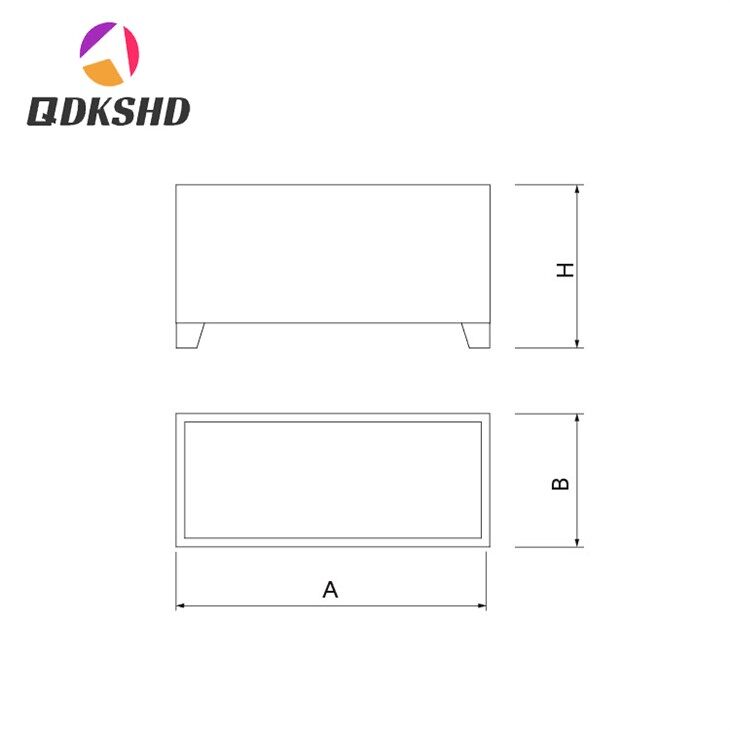
1000*425*520mm or customized |
|
OEM/ODM: |
Yes |
|
Usage: |
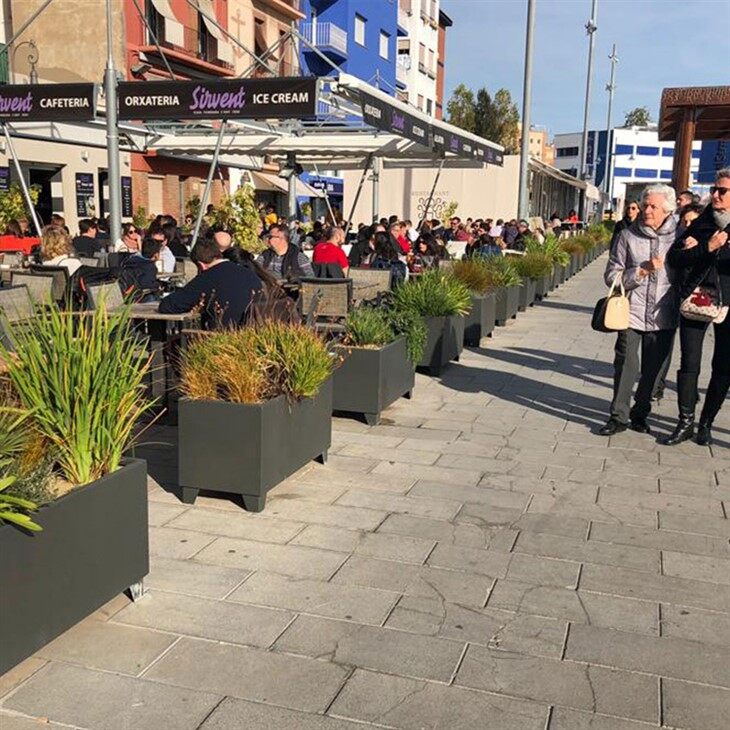
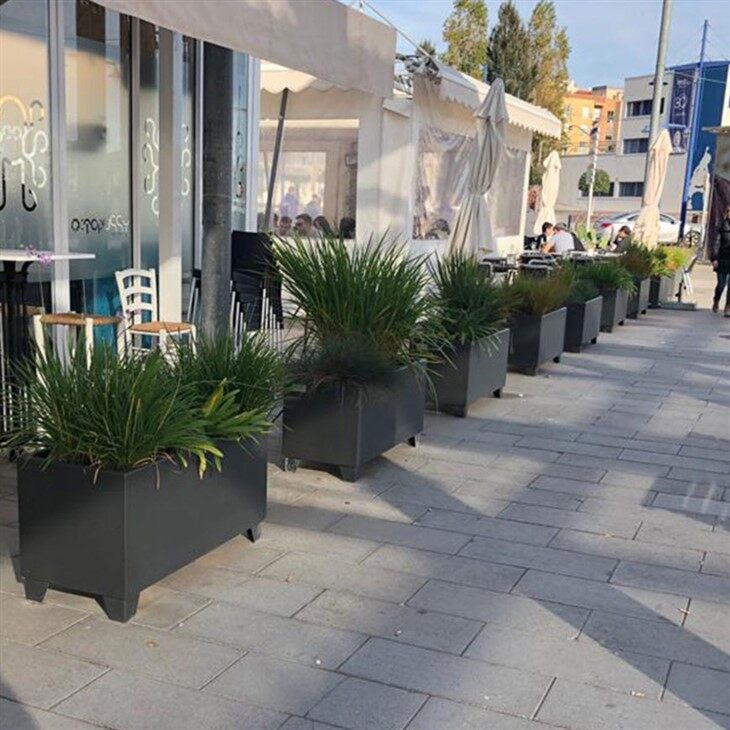
Streets, gardens, town roads |
|
Features: |
Modern, beautiful, durable, anti-corrosion |
|
Model: |
KSF001 |
|
Manufacturer: |
Yes |
|
Brand: |
KSHD |
|
Delivery time: |
20-40days |
|
Color: |
Black, green,red, or customized |
Product Introduction
1. Material and Structure
It is primarily constructed from metal materials such as stainless steel and wrought iron. Stainless steel flower boxes boast strong corrosion resistance, allowing long-term outdoor use without rusting. For instance, those made from 304 stainless steel maintain a clean appearance even in humid climates or highly saline environments like coastal areas.
2. Structural Design
Its square shape enhances space efficiency with a tidy layout. Typically, it consists of a main box and a bottom support. The box, the core part for holding soil and growing flowers, has sufficient depth to accommodate plant root growth. The bottom support-often a simple bracket-lifts the box slightly off the ground. This not only facilitates drainage but also prevents the base from direct contact with the ground, reducing moisture-induced corrosion.

3. Functional Use
(1) Environmental Beautification
Street metal square planters are a key element in urban greening. By housing a variety of flowers and greenery, they inject color and vitality into otherwise plain streetscapes. Swapping out flower varieties with the seasons creates a dynamic, year-round visual appeal.
(2) Isolation and Protection
These planters serve as effective dividers in public spaces. On streets, they can separate pedestrian walkways from vehicle lanes or demarcate different functional zones. For instance, placing them between sidewalks and roads in commercial districts enhances aesthetics while subtly discouraging jaywalking.
(3) Air Quality Improvement
Plants in the planters absorb carbon dioxide and release oxygen through photosynthesis, helping to freshen the surrounding air. Their leaves also trap dust particles, reducing airborne pollution-pothos, for example, is particularly effective at purifying air.


